Technology
WinnerSonata SEL
An easier, more modern infotainment experience, supported by a larger 12.3-inch touchscreen — where the Camry SE has a smaller 8-inch screen.
Before you compare
SEL and SE sit a tier apart — features on one side, price on the other.
These trims sit a tier apart. The SEL is a Sonata trim and the SE is a lower-mid Camry trim (trim 2 of 5). The higher trim adds equipment; the lower trim answers with a lower price. The question is whether the added content is worth the difference. The SE starts about ¤350 less than the SEL.
Because these two trims sit at different points in their lineups, the category winners below reflect trim level as much as brand. Read them as evidence — the more equipped trim will tend to win on features and comfort, while the lower trim answers on price — and weigh that against the equipment you will actually use. Use the verified specifications as the basis for the recommendation, not marketing claims.
Who each is for: the SEL suits buyers who prioritize a balance of price and features, while the SE suits buyers who prioritize a sportier character. If those priorities are clear to you, the right choice usually follows directly from them.
At a glance
If you're shopping for the right balance of features and price, the Sonata SEL is the stronger choice here — it leads where it counts most for this matchup, while the Camry SE still makes its case on a lower price.
Camry SE starts at $32,100 vs $32,450.
Camry SE makes 225 hp vs 192 hp.
Sonata SEL returns 47 mpg combined vs 46 mpg.
Head to head
The verified differences most likely to decide it — each shown side by side, with the winner called out.
An easier, more modern infotainment experience, supported by a larger 12.3-inch touchscreen — where the Camry SE has a smaller 8-inch screen.
The Sonata SEL makes everyday hauling and road trips easier with more cargo room.
The Camry SE lowers your cost of entry with a lower starting price.
The Sonata SEL delivers lower fuel costs and fewer stops at the pump.
The Camry SE gives you stronger acceleration and easier passing.
The SEL and the SE are a tier apart, so the higher trim brings more content and the lower trim brings a lower price. Decide whether the extra equipment earns the premium for how you actually drive. The SE starts about ¤350 less than the SEL.
On verified numbers, the SEL leads in combined mpg and cargo volume; the SE leads in horsepower and torque. What the numbers actually mean for you: a fuel-economy edge translates into fewer stops at the pump and lower running costs over years of ownership, not just a better sticker; a horsepower advantage shows up most when merging and passing rather than in daily commuting; and cargo or passenger volume is what decides how each car handles road trips, gear, and family duty. Read each category winner alongside the size of its margin — a few mpg or a fraction of a cubic foot rarely changes daily life, while a wide gap genuinely does.
When it matters most: if your commute is long, weight the efficiency result heavily; if you rarely carry more than passengers, a practicality gap may not affect you; and if winters are harsh, all-wheel-drive availability can outweigh a modest power difference. Because the SEL and SE sit at different price points, decide which category wins above actually justify the gap for how you drive — that, more than any single spec, is the real decision here.
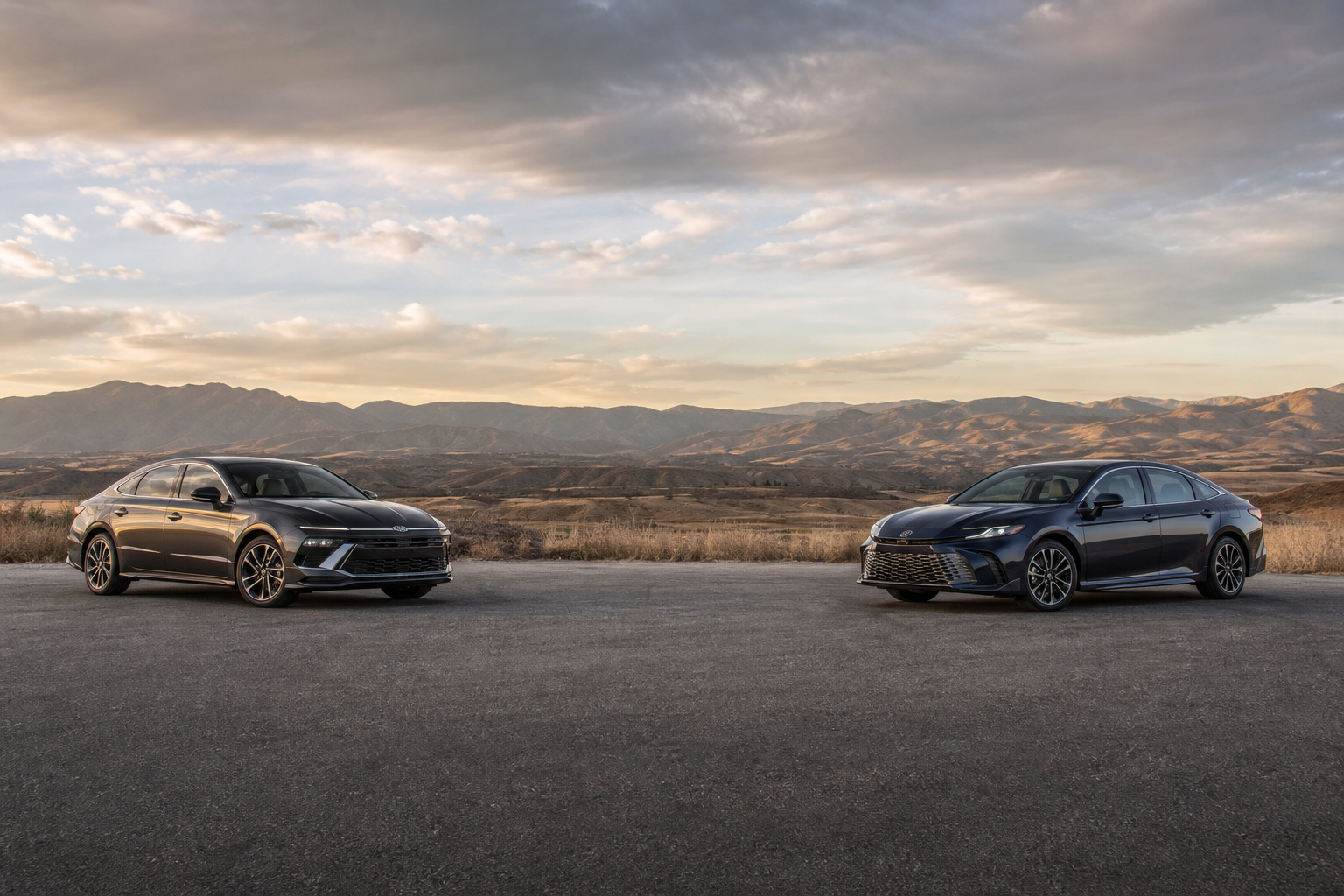
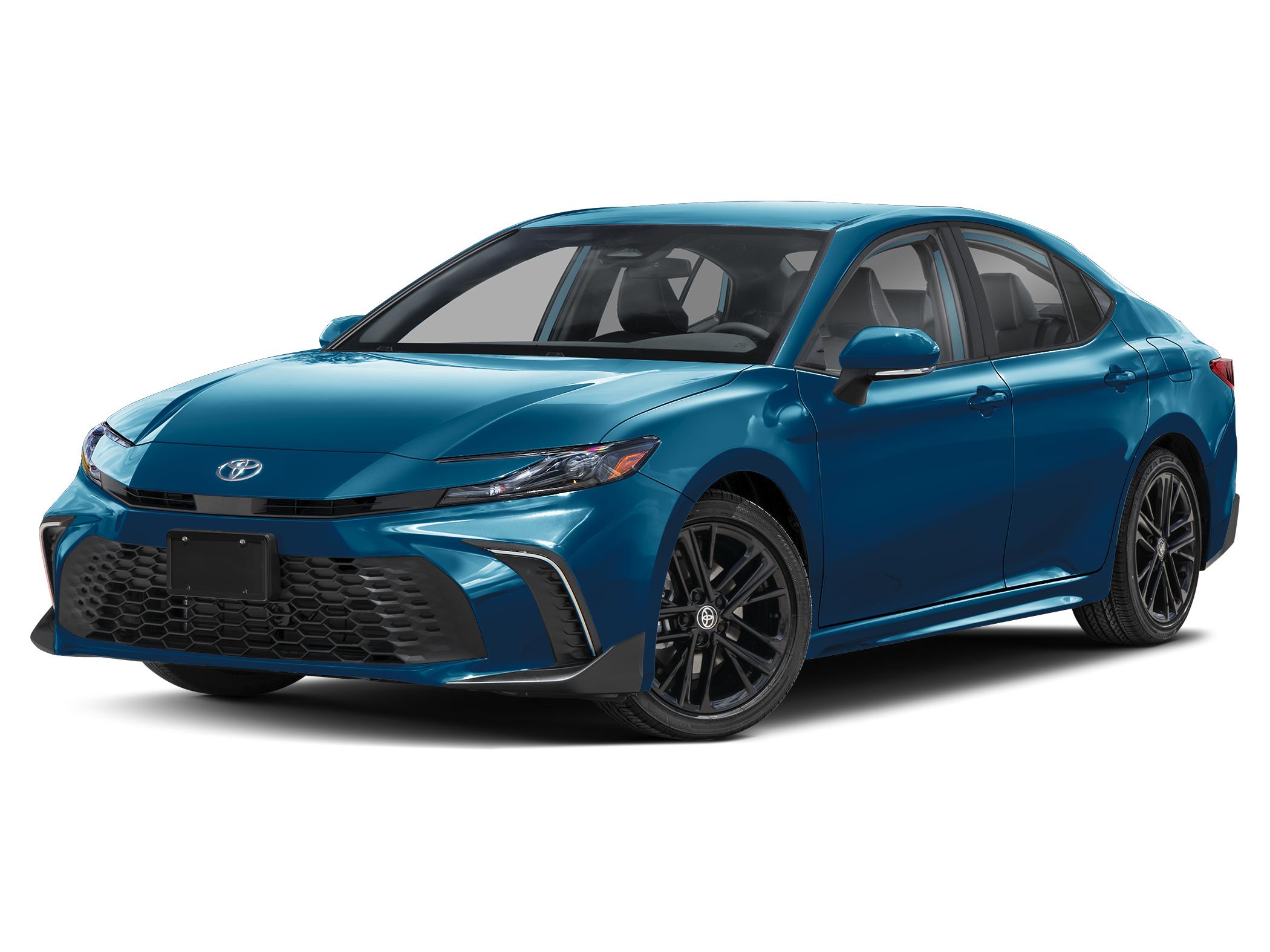
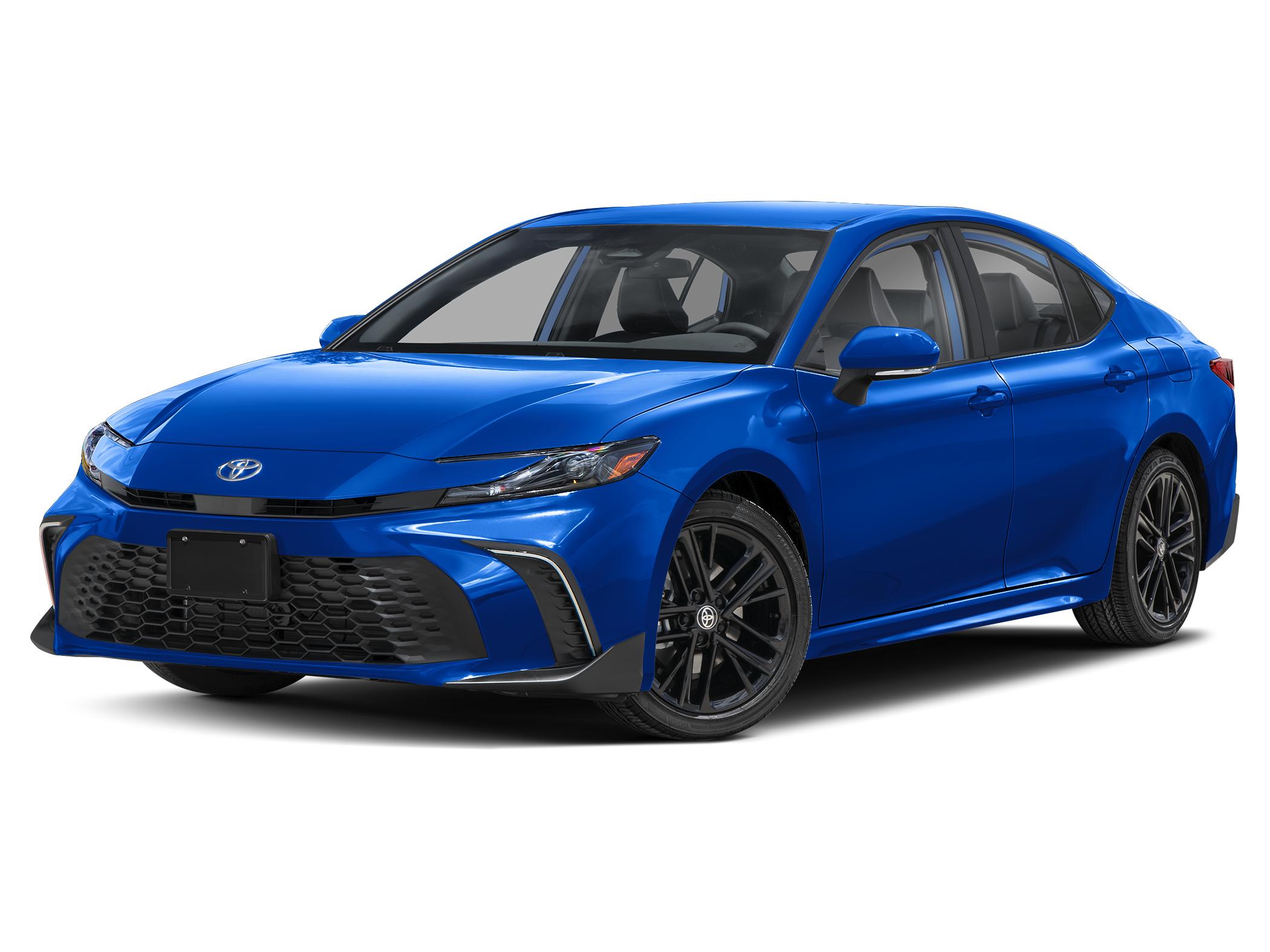
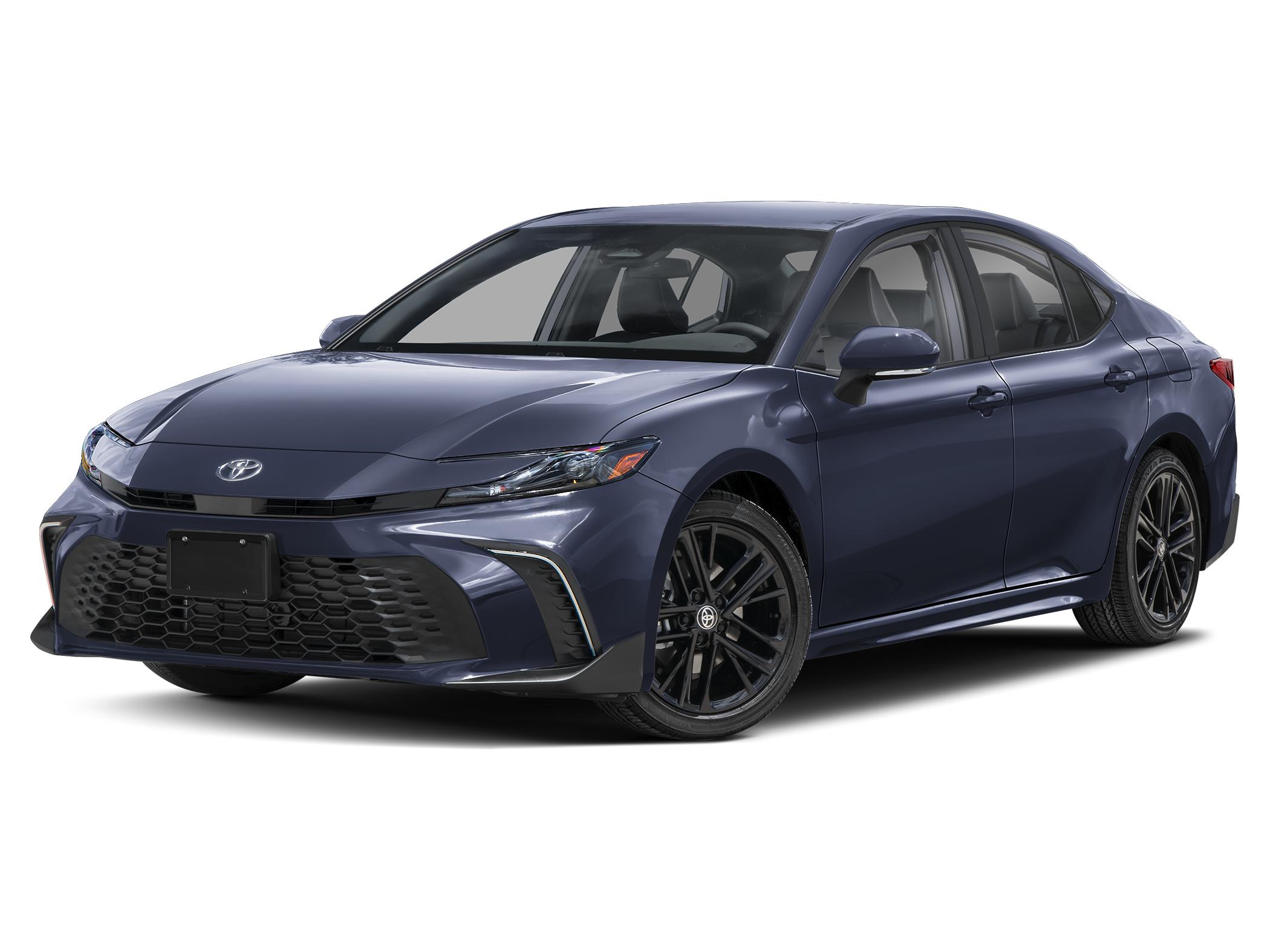
Visual comparison
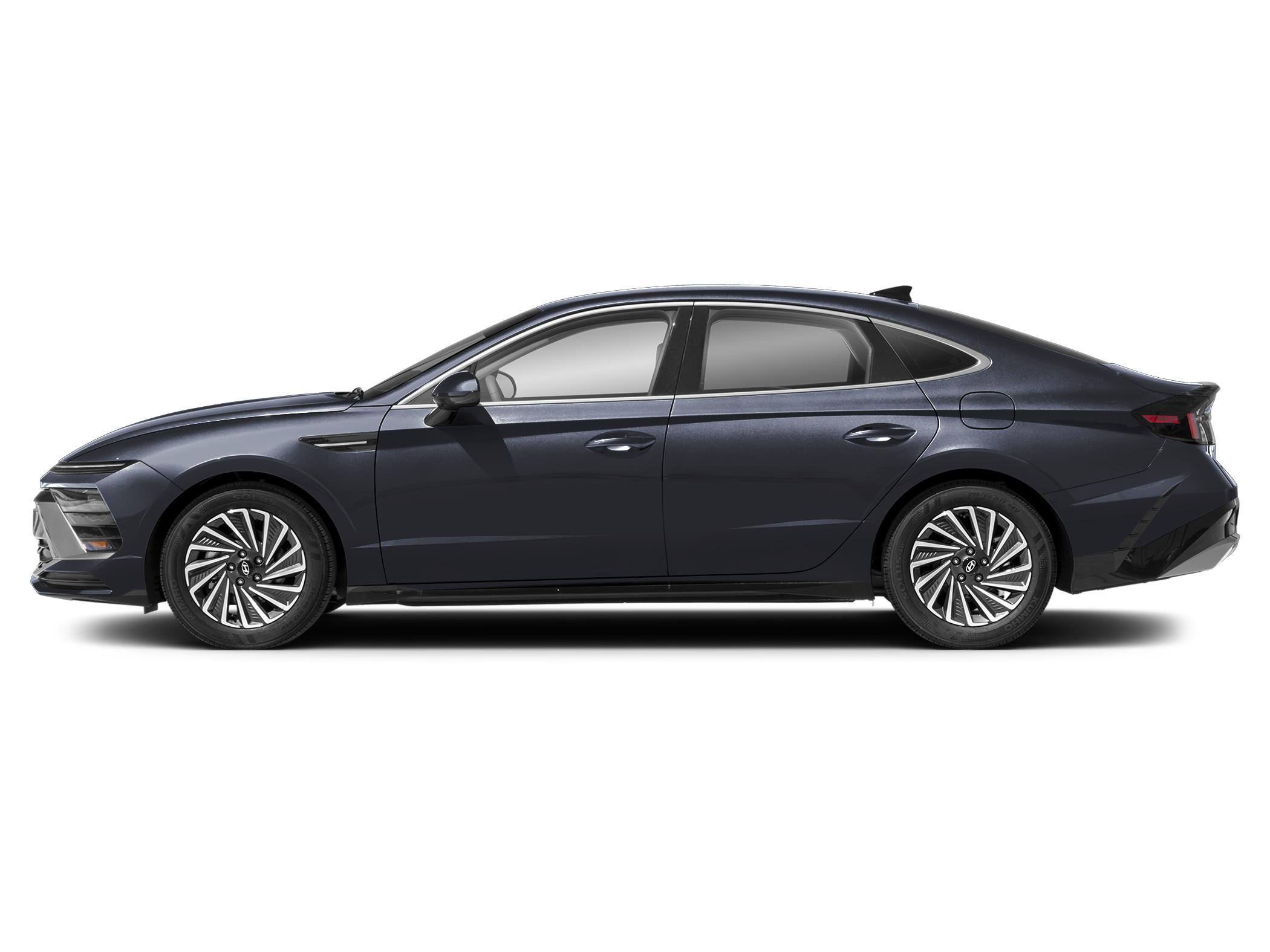
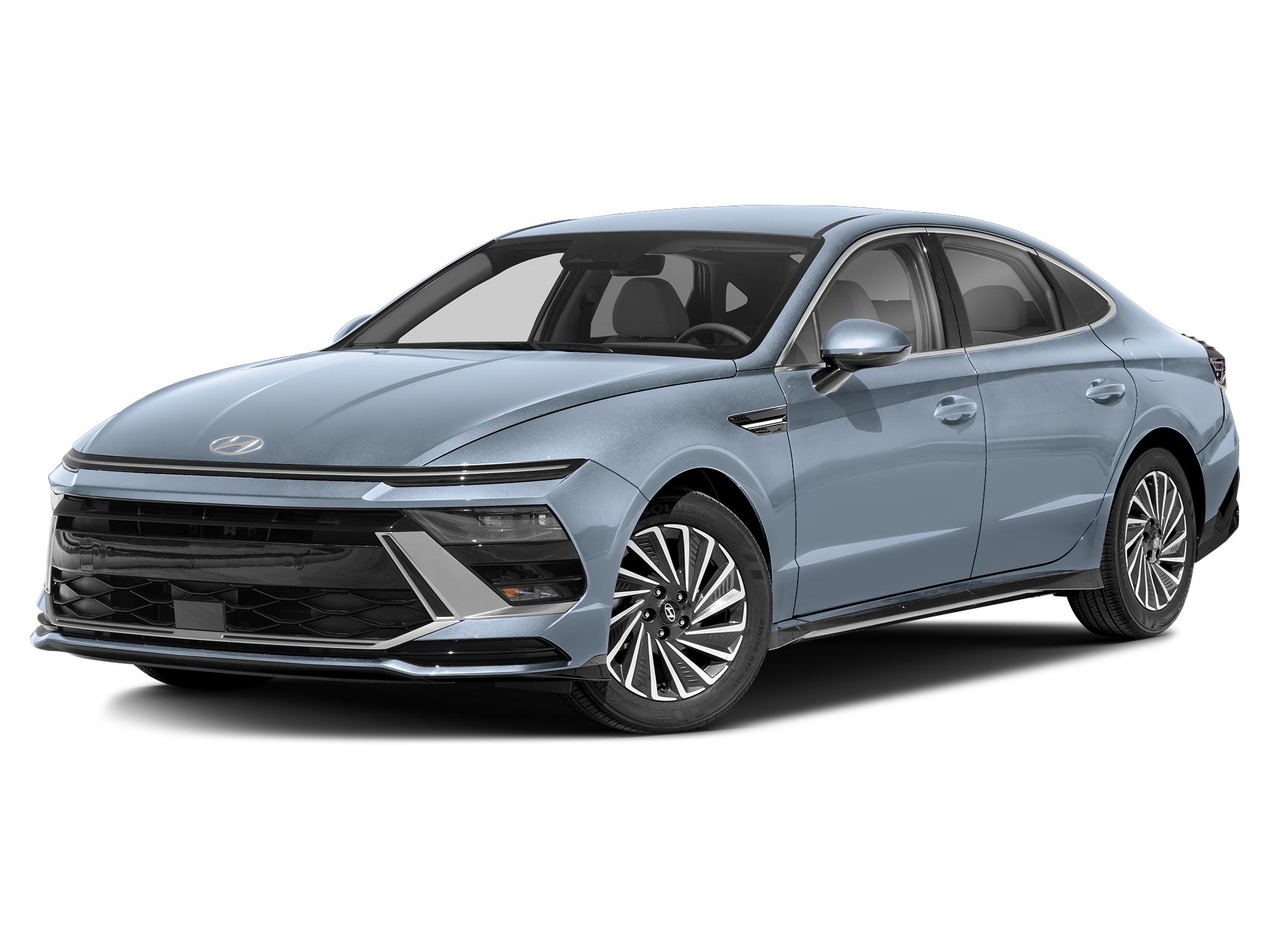
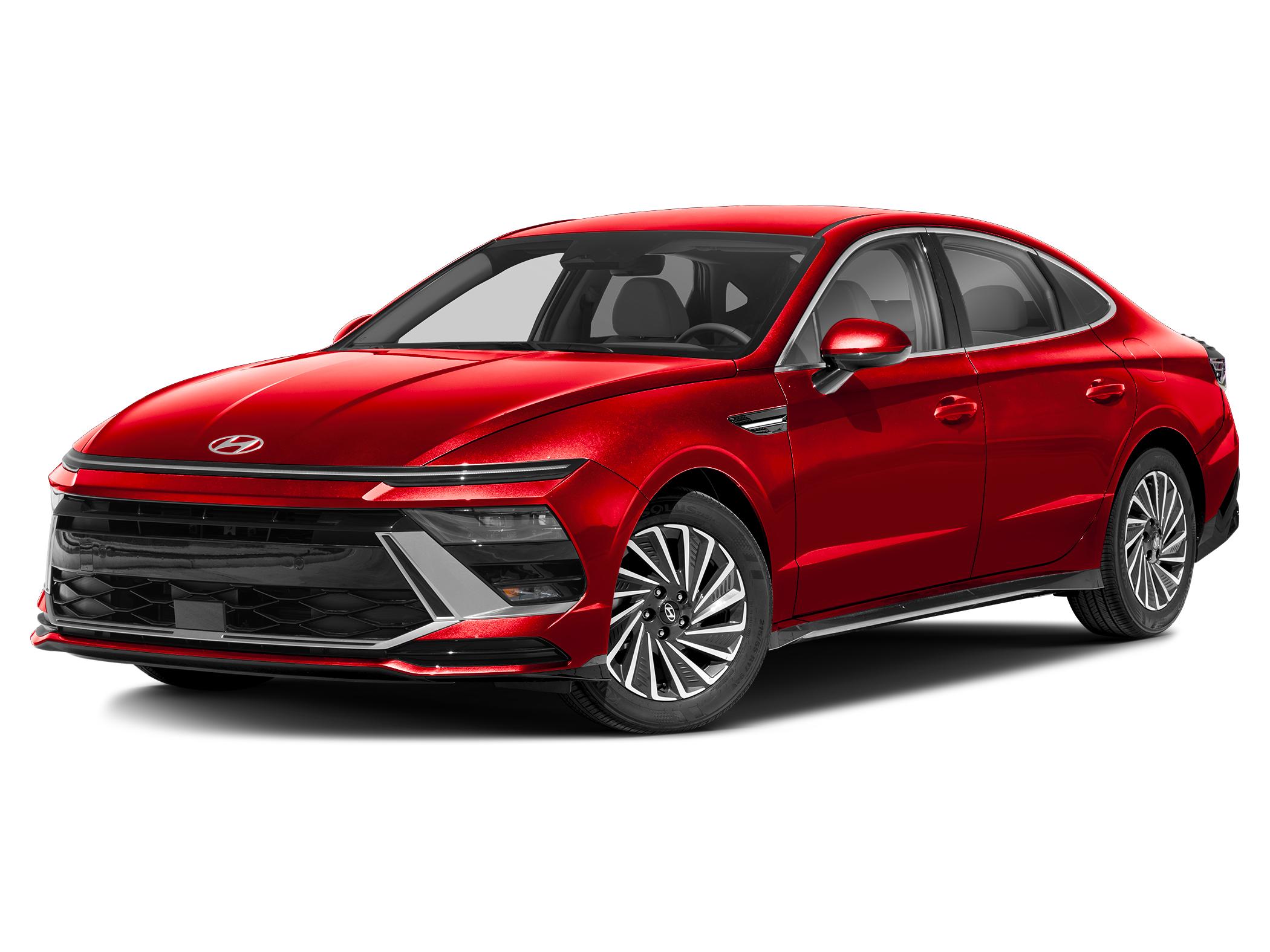
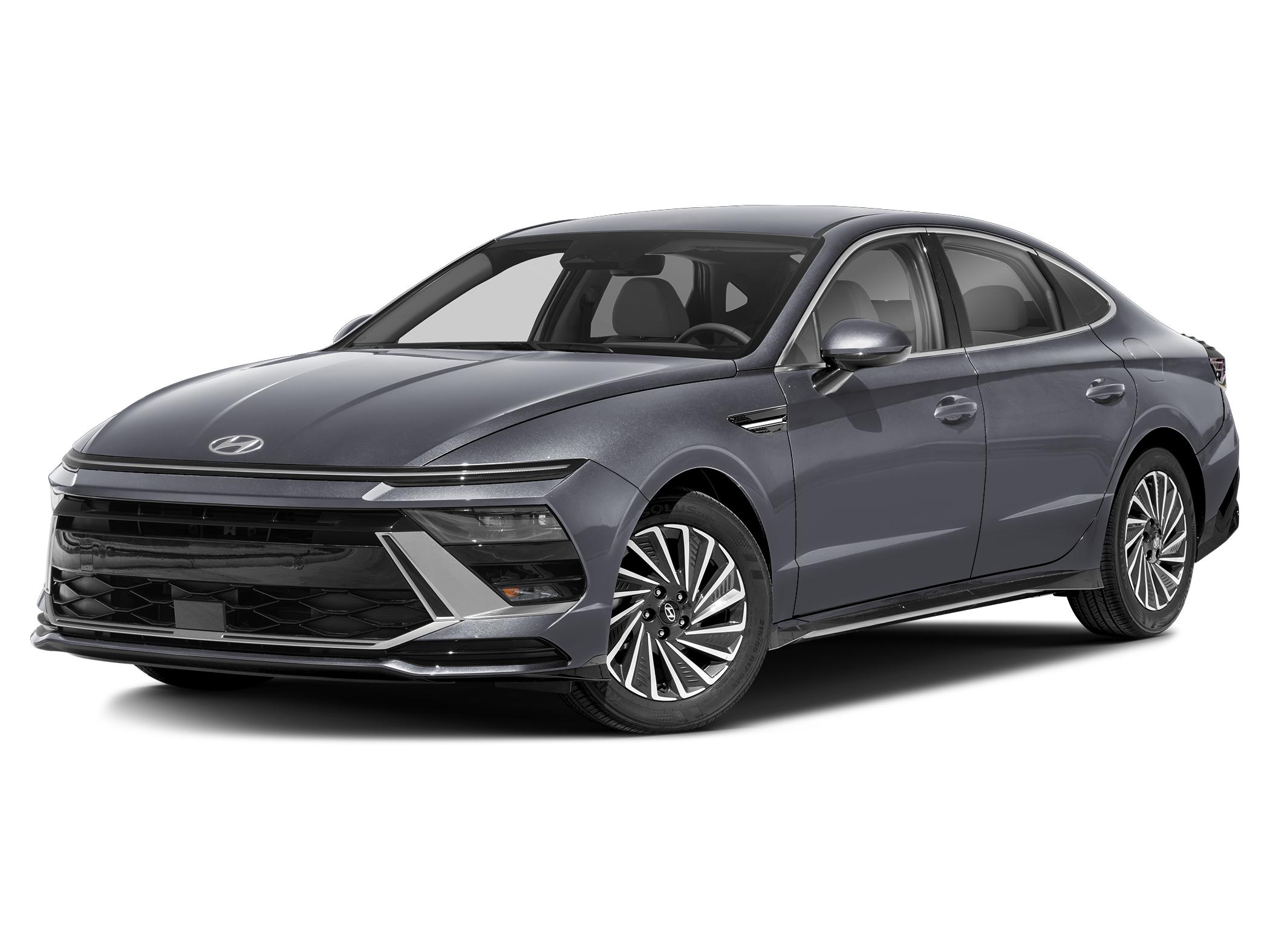
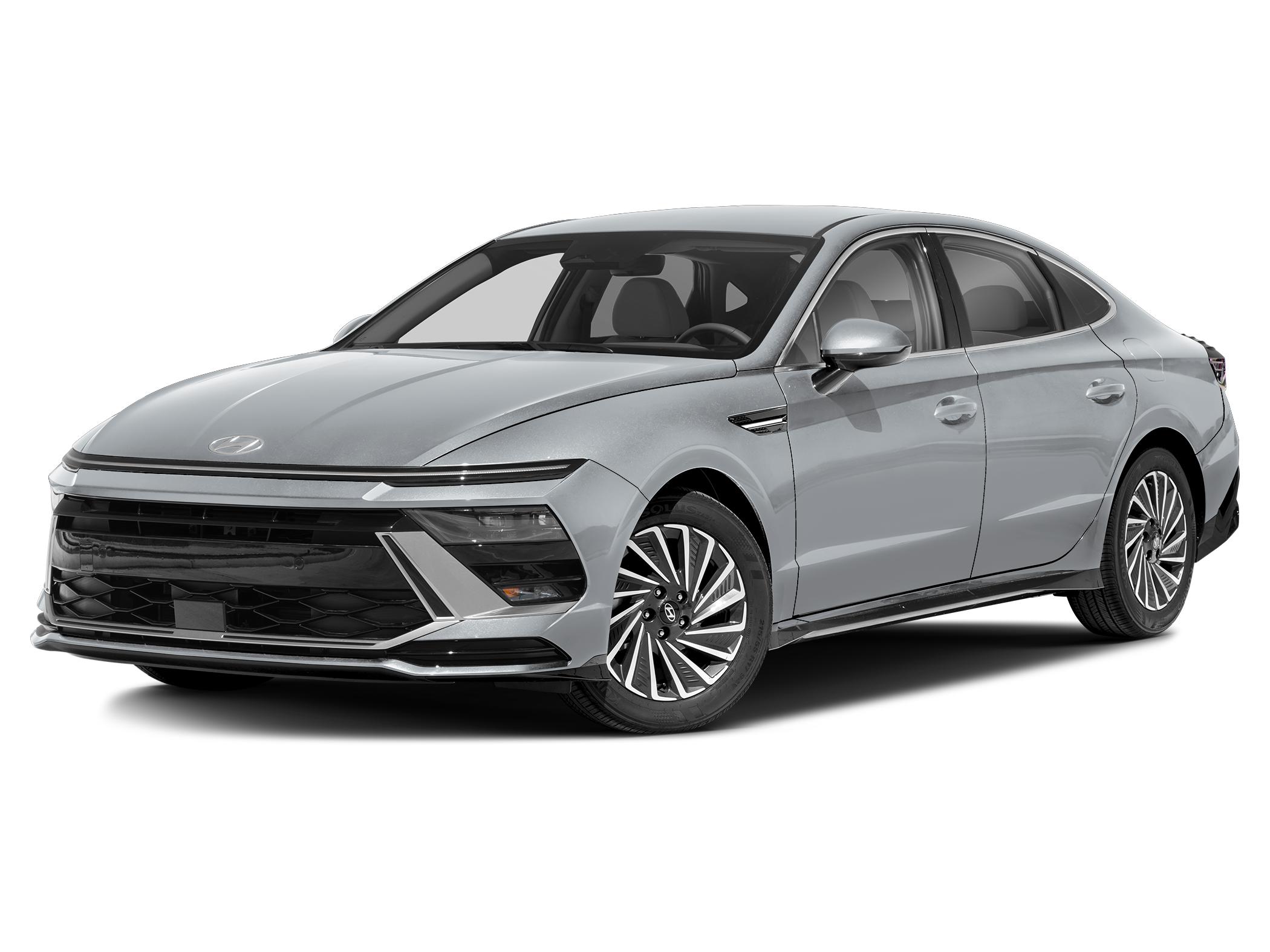
Sonata SEL
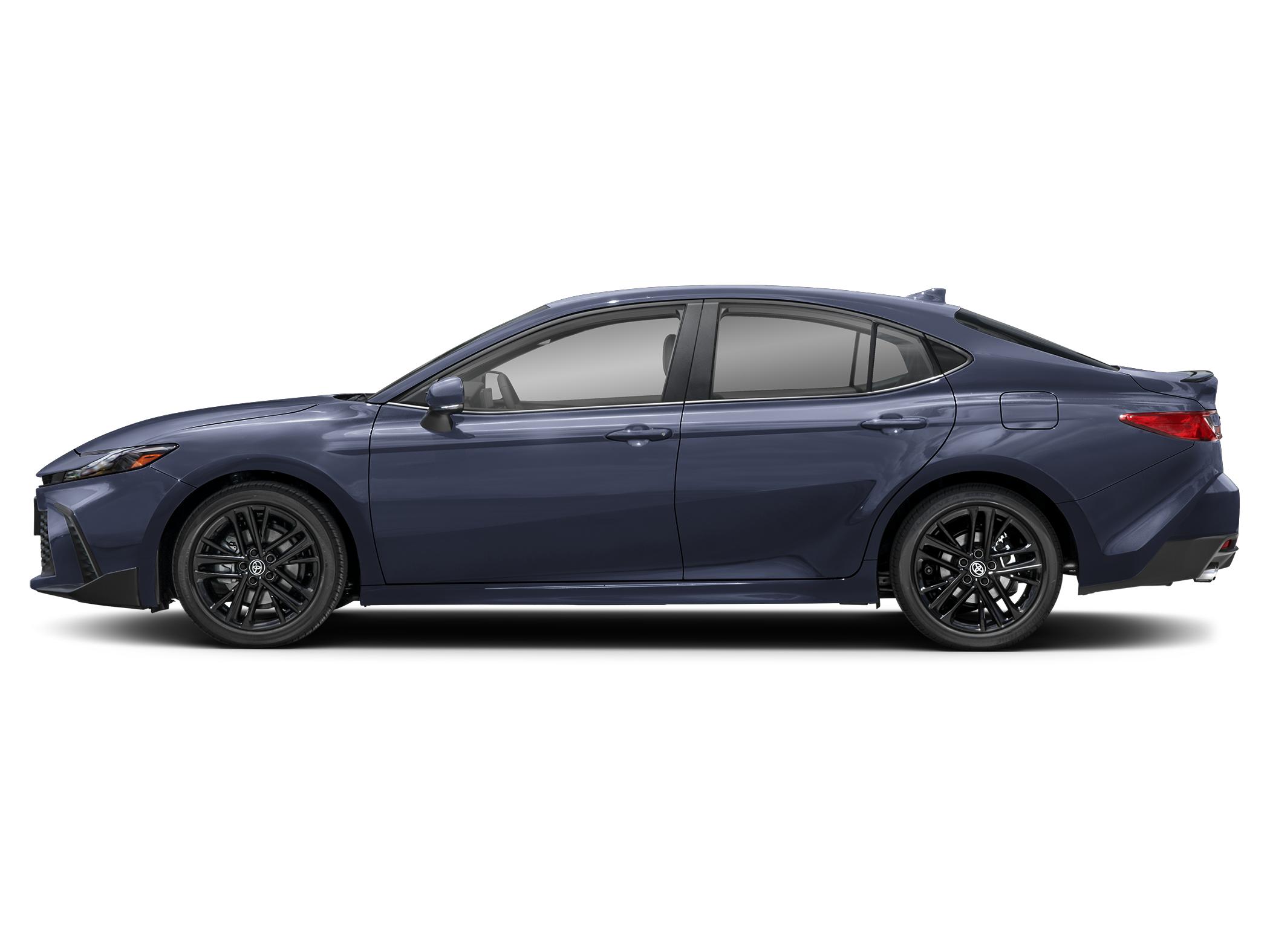
Camry SE
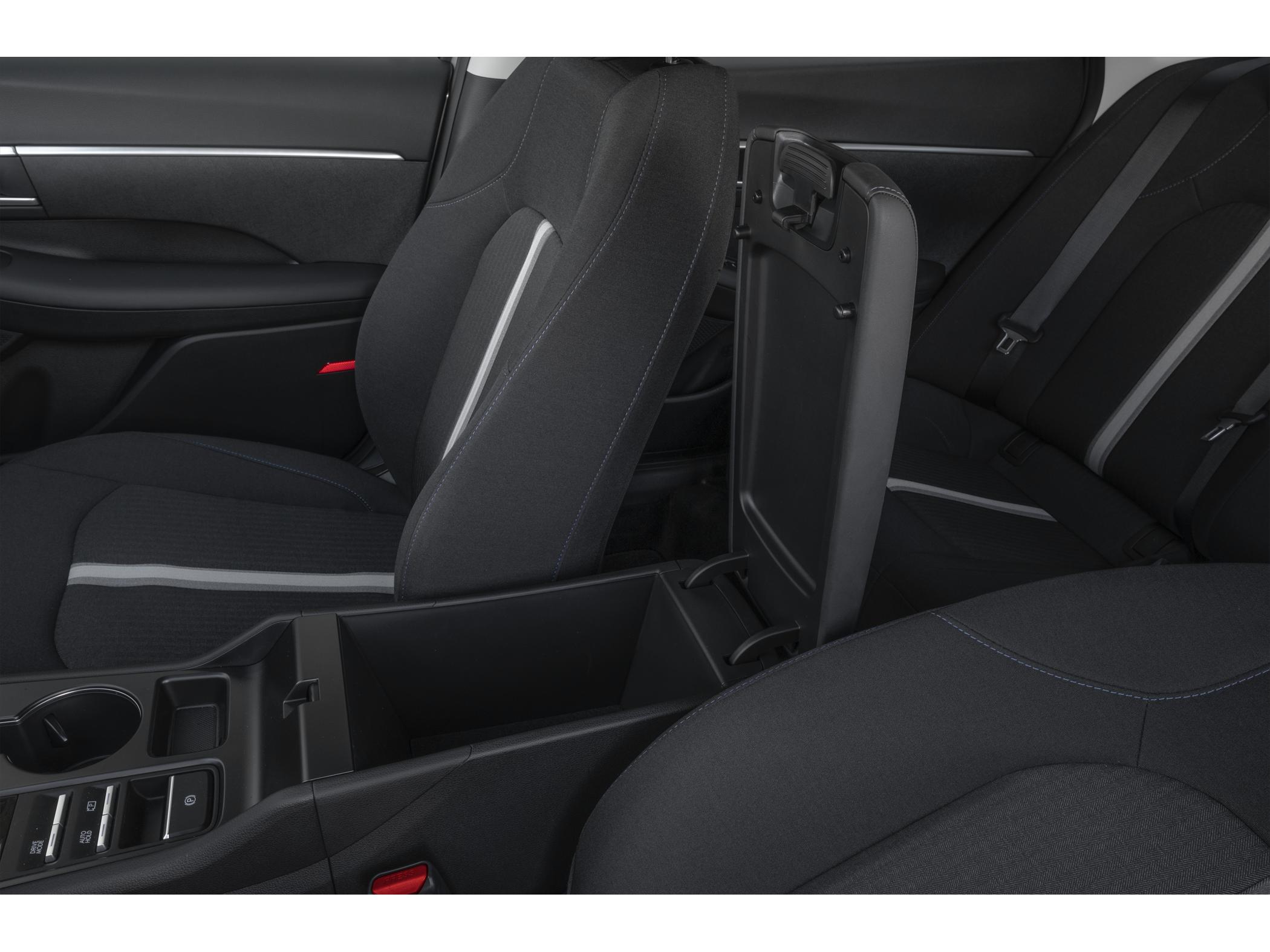
Sonata SEL
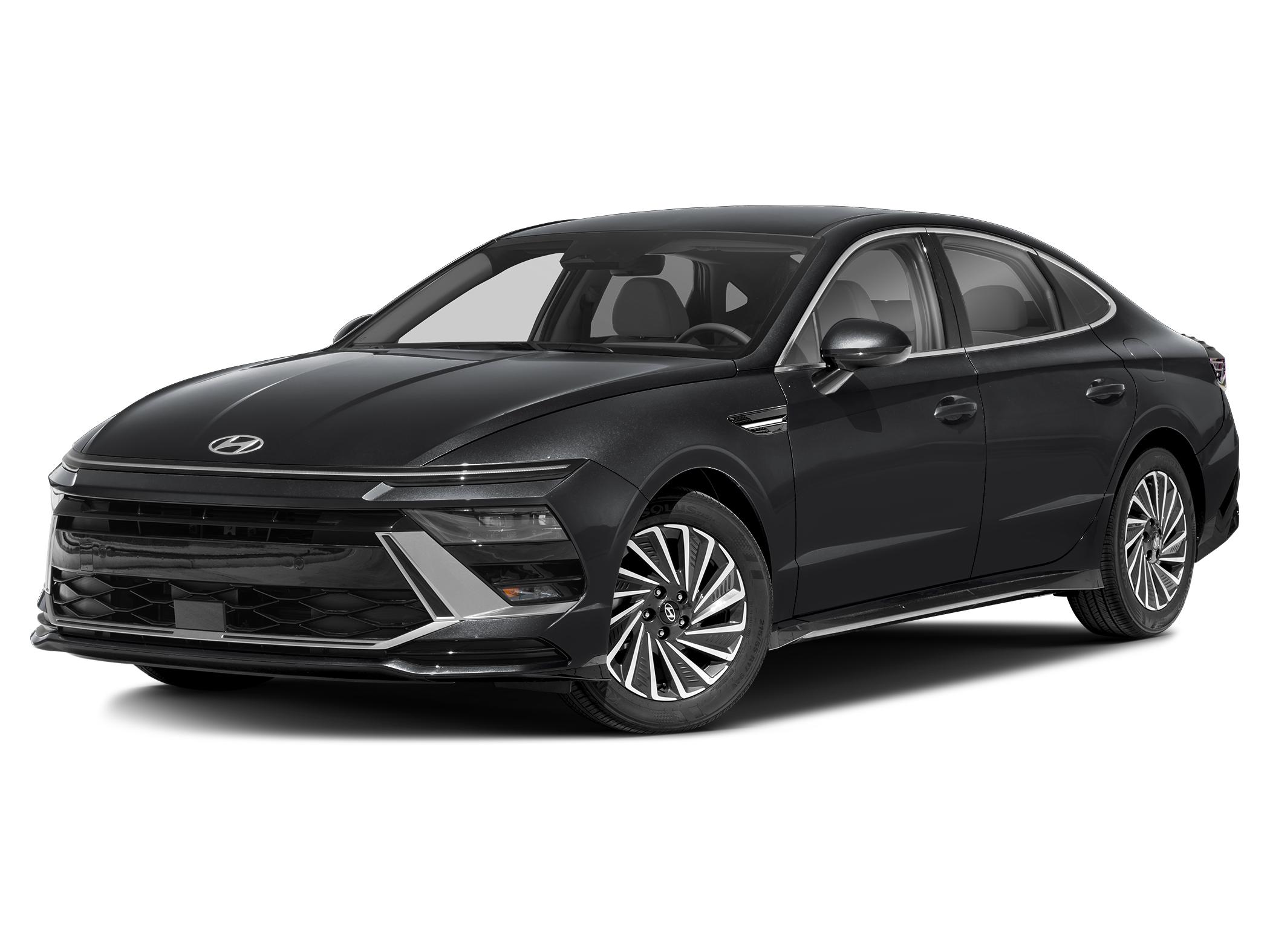
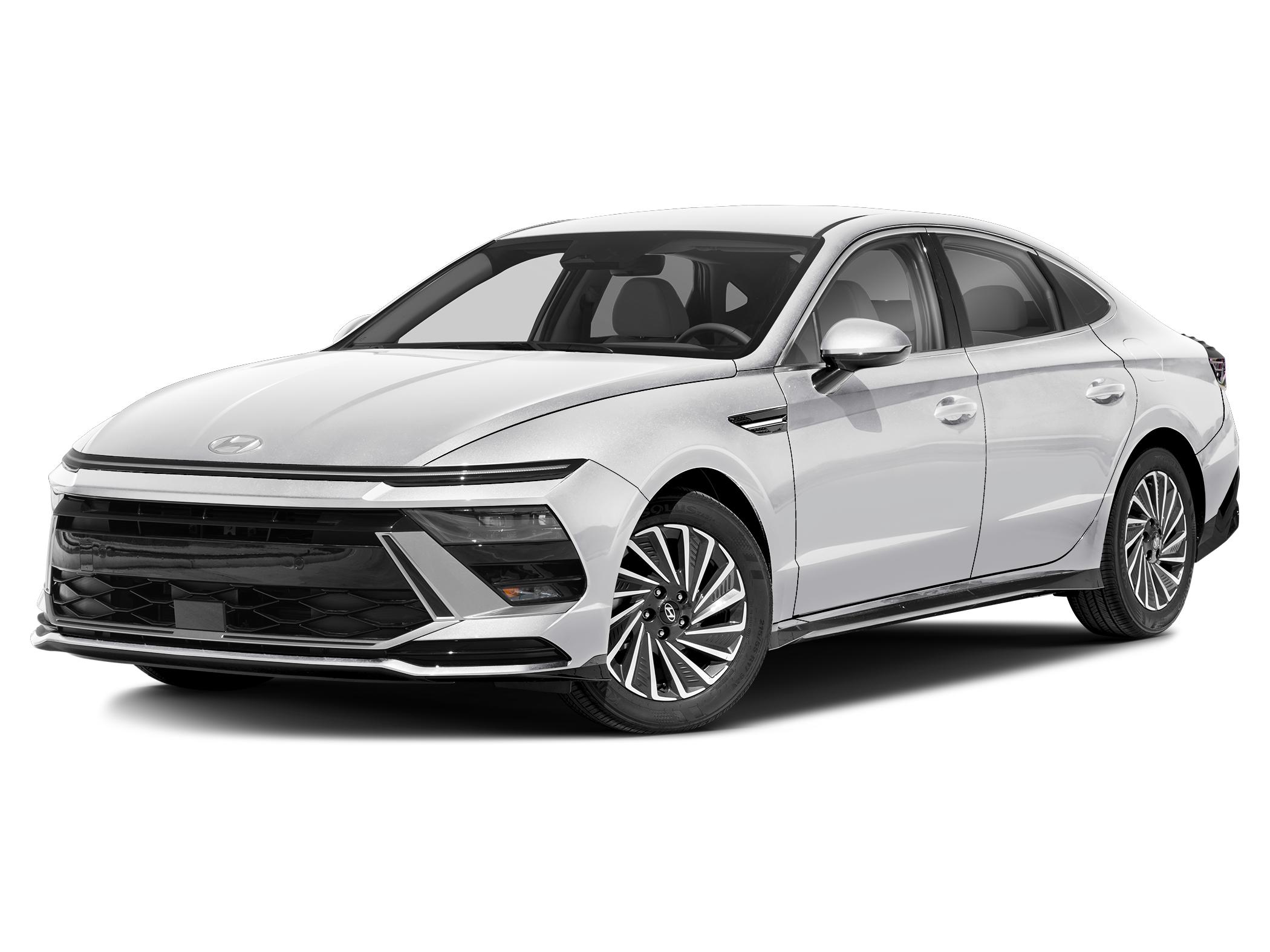
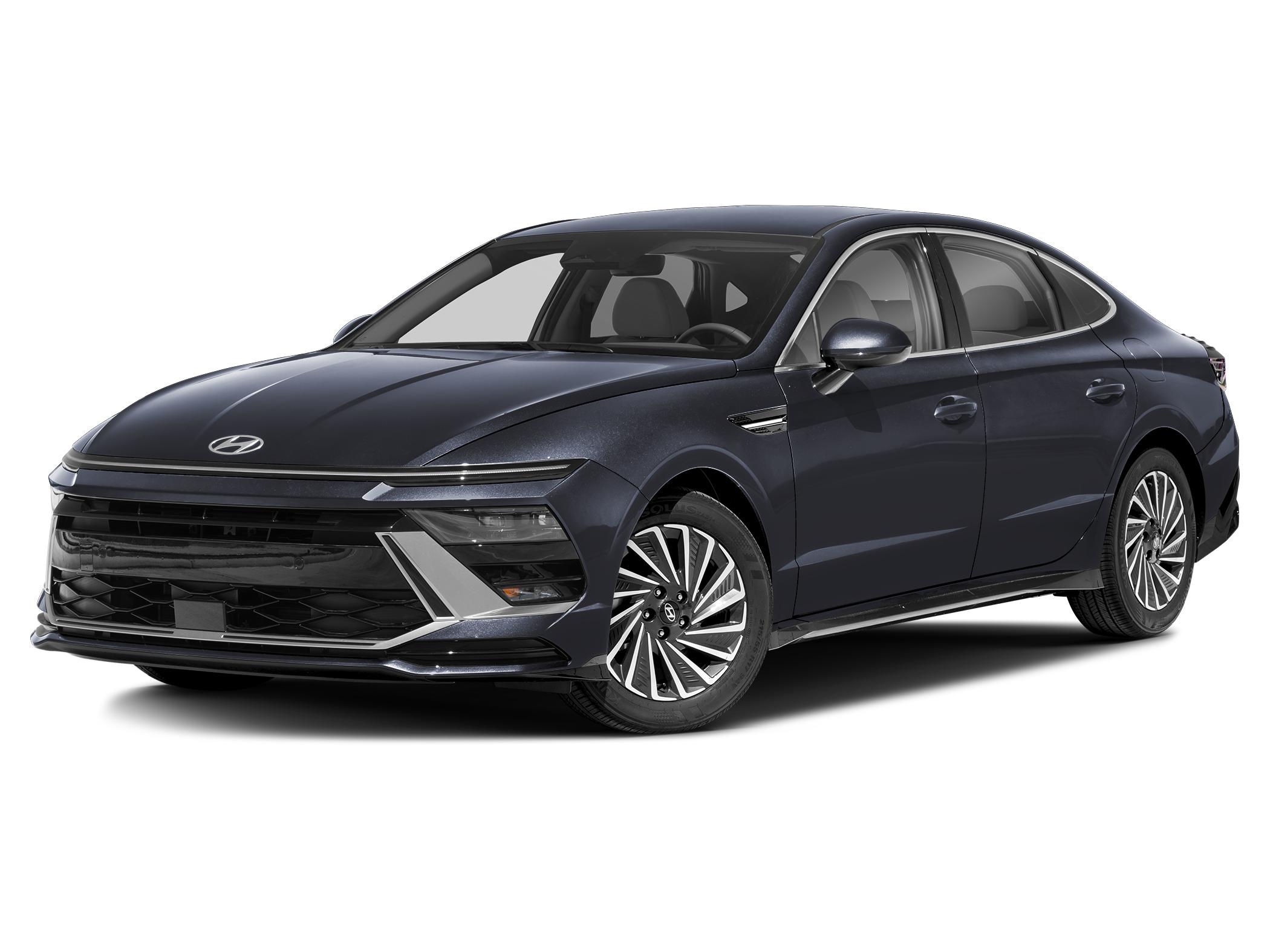
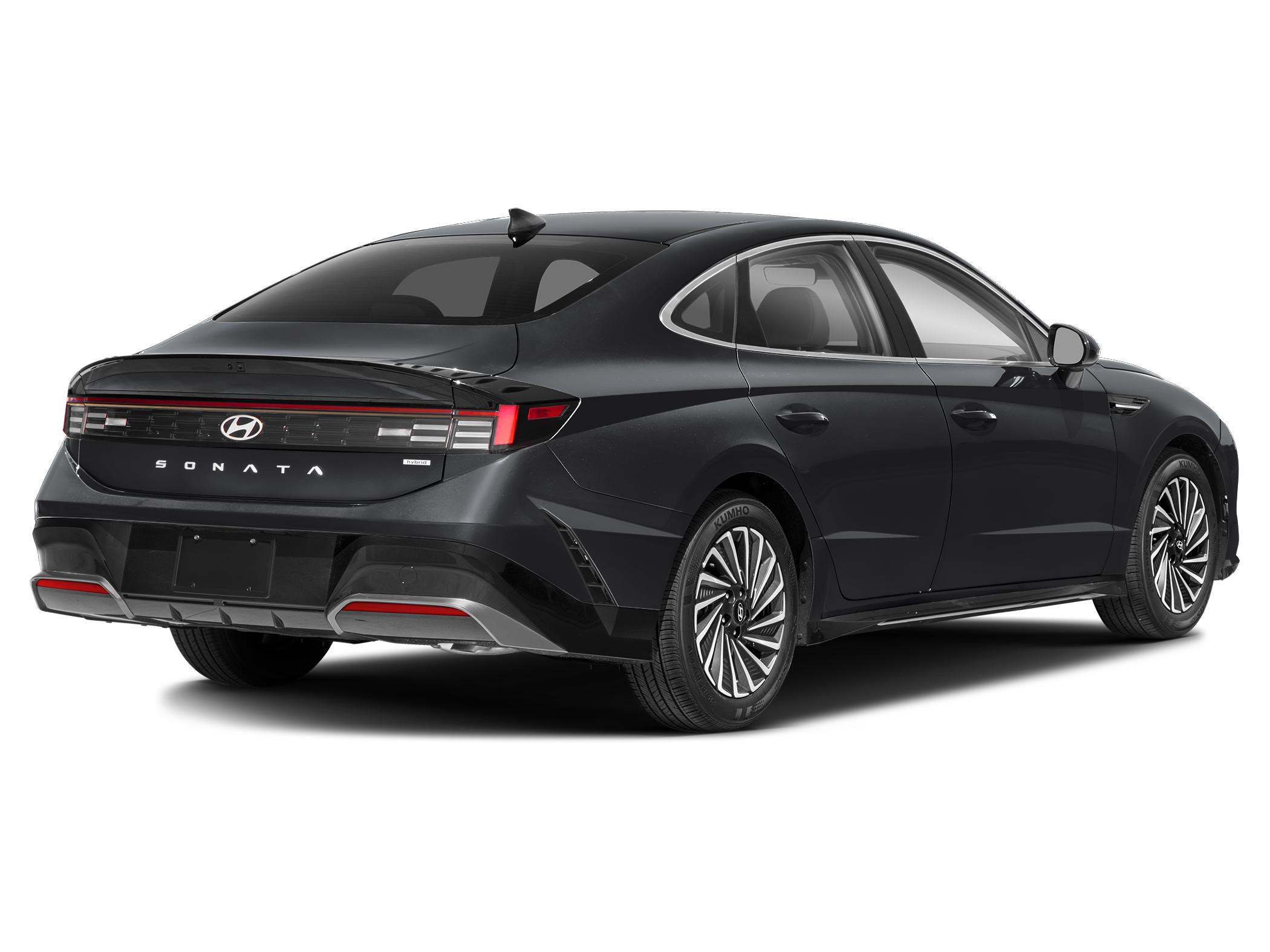
Camry SE
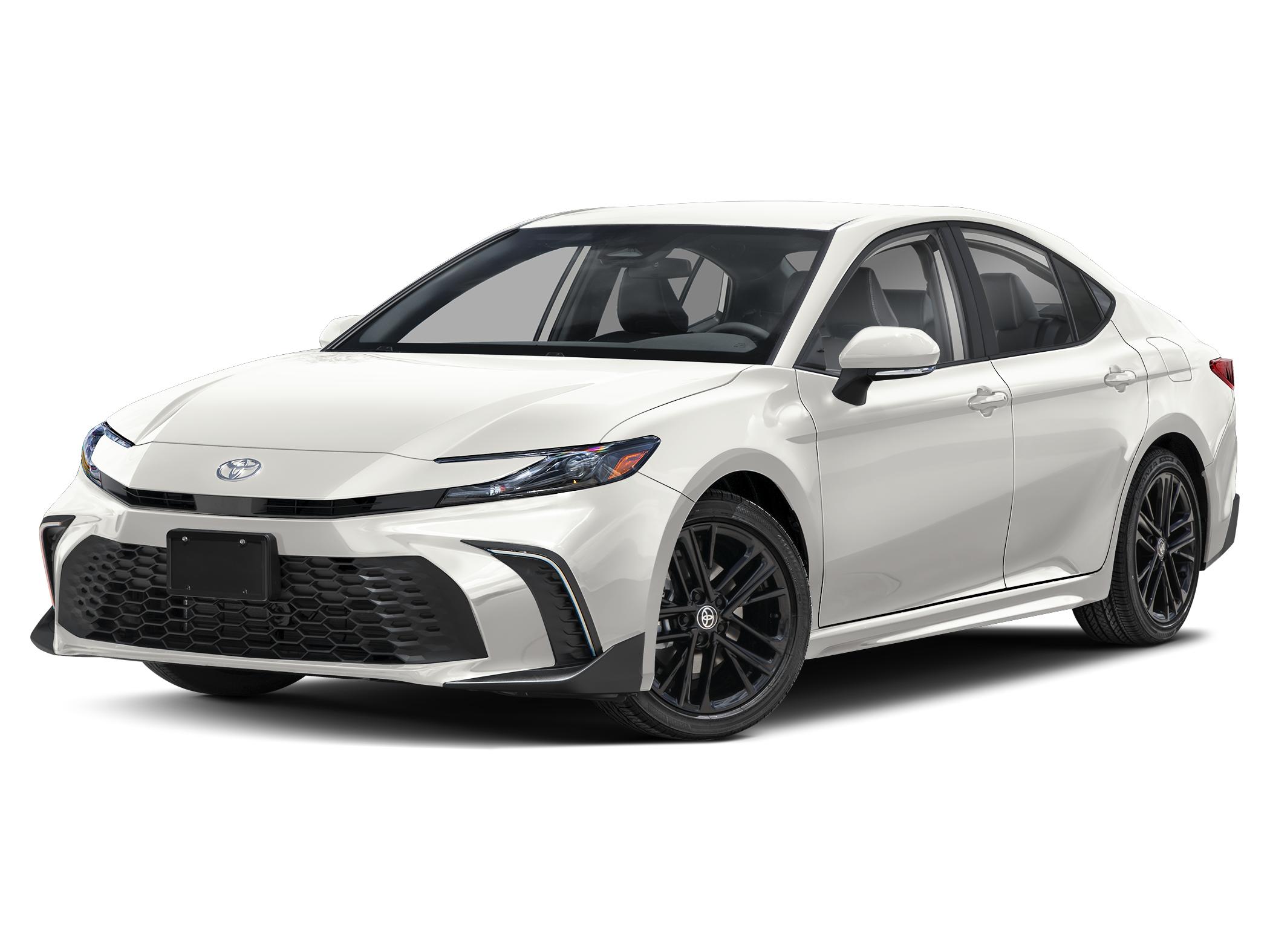
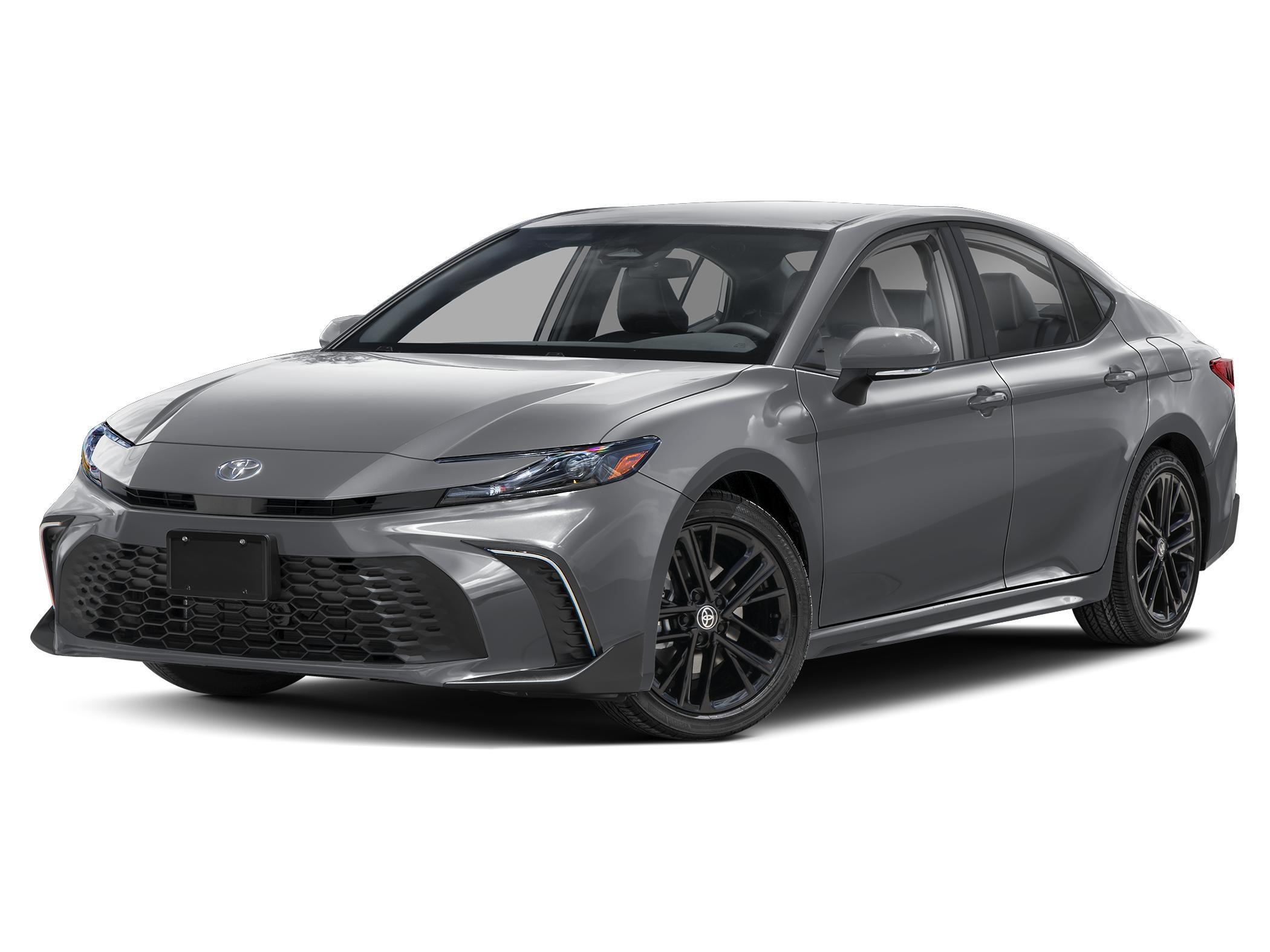
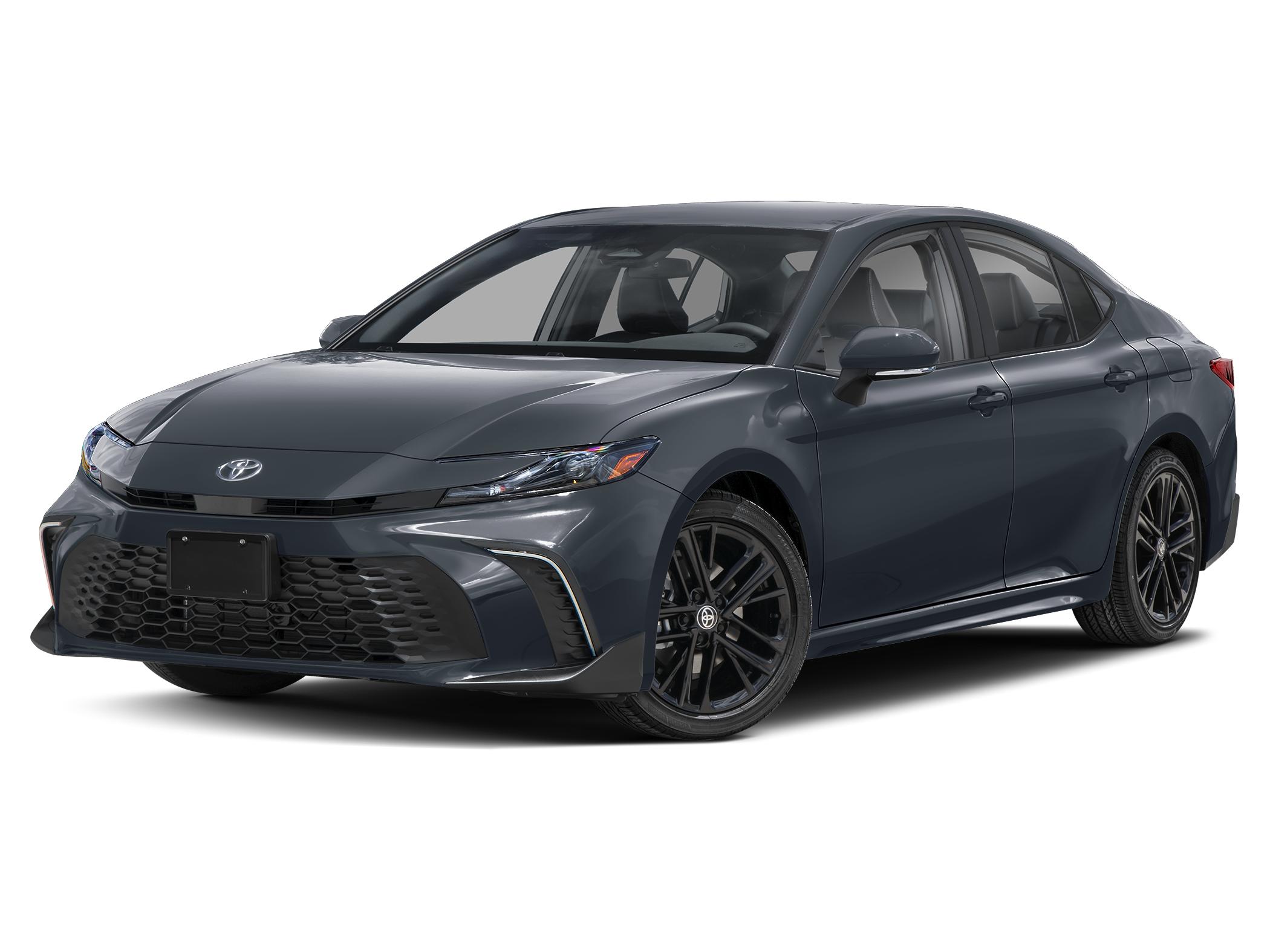
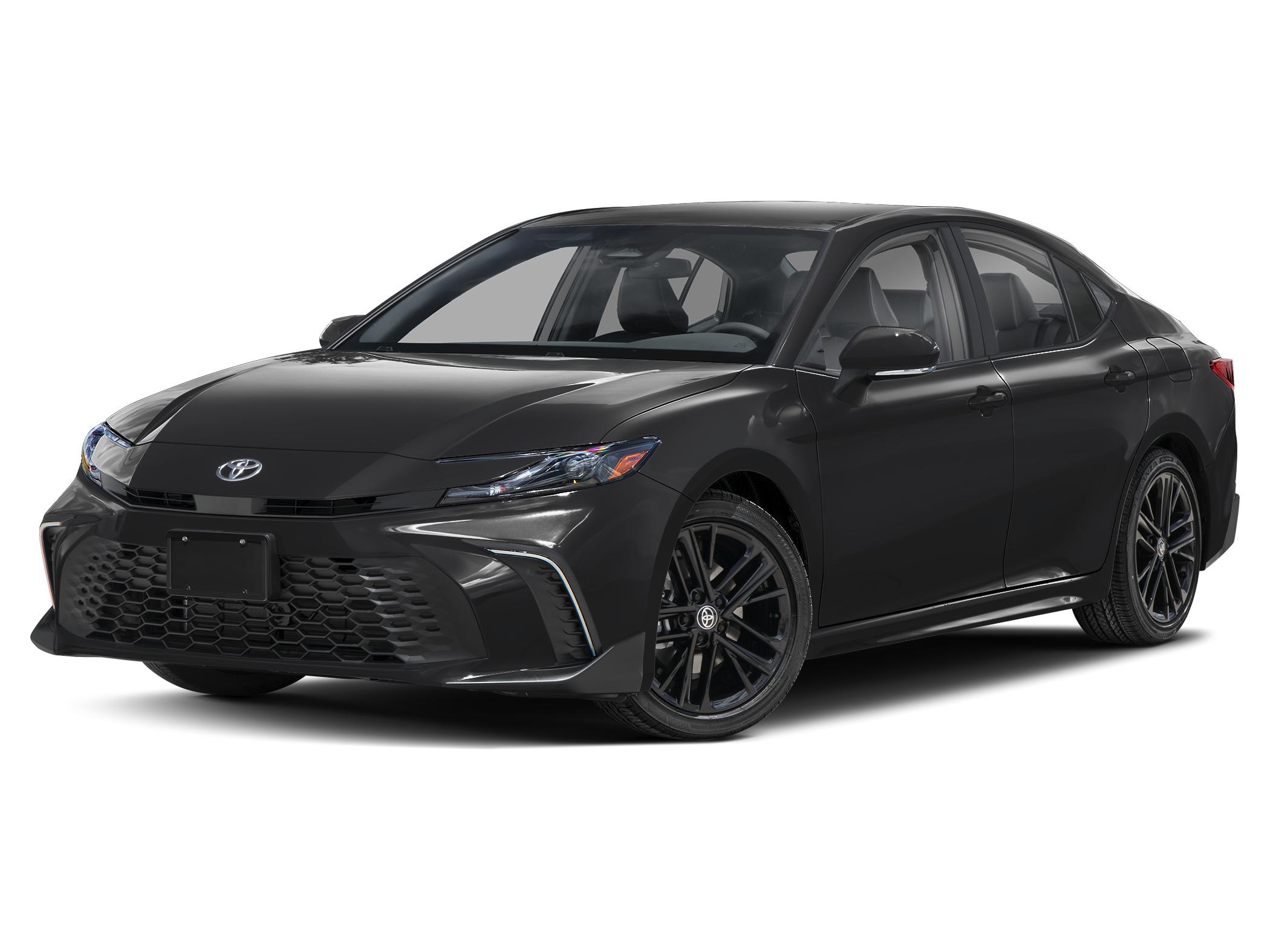
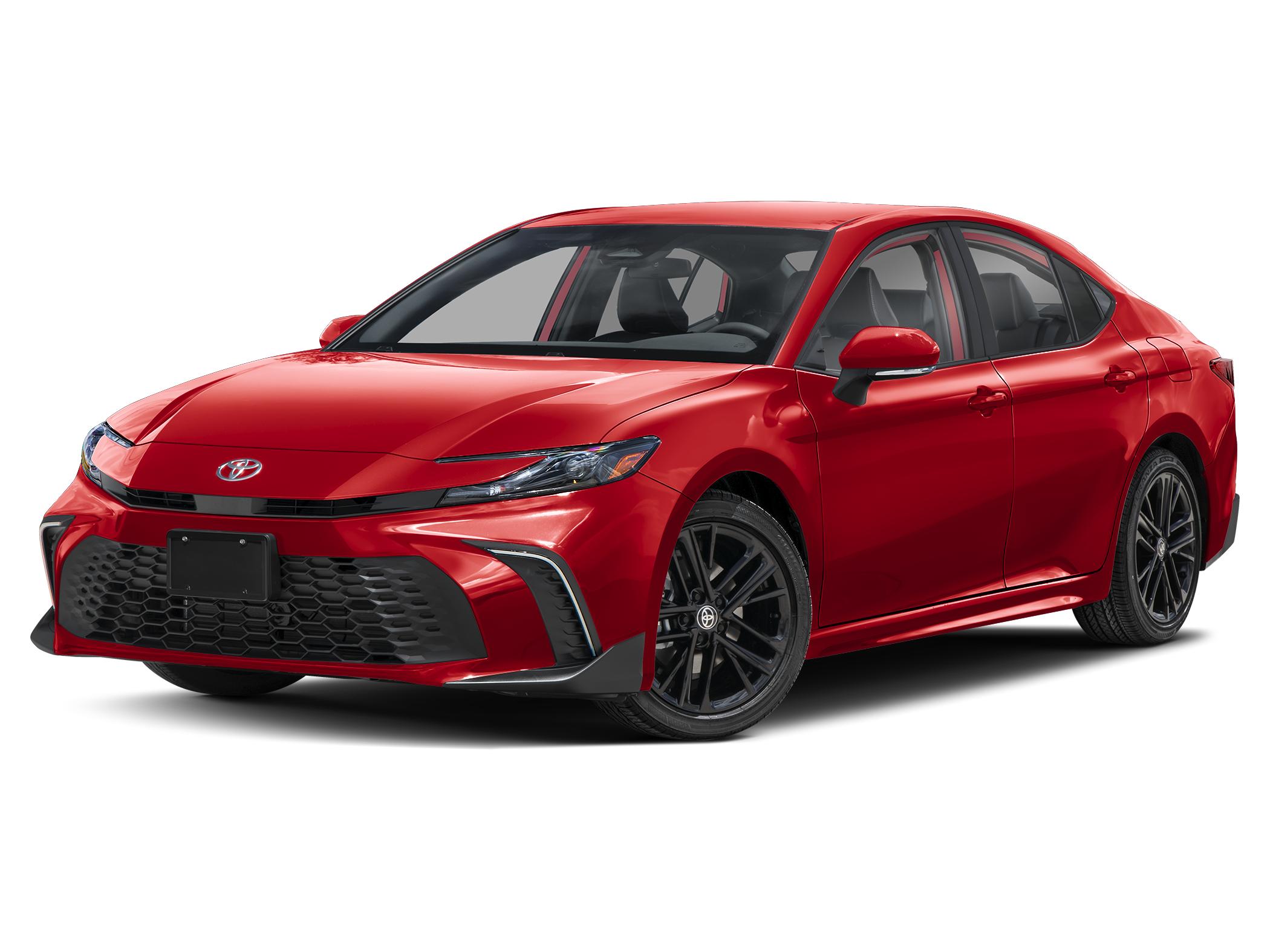
The bottom line
Sonata SEL
If you're shopping for the right balance of features and price, the Sonata SEL is the stronger choice here — it leads where it counts most for this matchup, while the Camry SE still makes its case on a lower price.
What could change this: If a lower price becomes your top priority, the Camry SE moves ahead — the recommendation tracks your intent, not a fixed scorecard.
The SEL and the SE trade features for price across one tier — the verdict is whether the extra equipment is worth the difference for you.
On verified numbers, the SEL leads in combined mpg and cargo volume; the SE leads in horsepower and torque.
That recommendation is a starting point, not a rule. The case for the other vehicle is real, and for some drivers it is the better buy: if you regularly face snow or rain and want all-wheel-drive traction, value stronger acceleration and a sportier feel, or simply prefer how it looks and drives, the runner-up here may suit you better than the categories alone suggest. We reached this verdict by tallying the verified head-to-head categories above — price, efficiency, space, and power — and favoring the vehicle that wins the ones most shoppers rank first, while noting where the margins are slim enough that personal preference should decide. We encourage you to test-drive both, weigh each vehicle's strengths against your own priorities, and let your daily reality — your commute, your climate, and your budget — guide the final decision. Between two choices this capable, the right answer is simply the one that best fits the way you live and drive.
The full picture
By the numbers
These are the figures most shoppers weigh first — price, power, efficiency, and room — with the full specification table below.
| Specification | Sonata SEL | Camry SE |
|---|---|---|
| Starting MSRP | $32,450 | 32100 USD |
| Horsepower | 192 hp | 225 hp |
| Torque | 139 lb-ft | 163 lb-ft |
| Combined MPG | 47 mpg | 46 mpg |
| City MPG | 44 mpg | 47 mpg |
| Highway MPG | 51 mpg | 45 mpg |
| Cargo volume | 15.6 cu ft | 15.1 cu ft |
| Seating | 5 | 5 |
| Drivetrain | Front Wheel Drive | Front Wheel Drive |
| Transmission | 6-Speed Auto w/SHIFTRONIC | Electronically Controlled CVT |
Make the call
Best for:
This side fits shoppers whose week centers on commuting, errands, and family logistics rather than performance driving. Judge it by the verified category wins above — the prices, economy, and space figures on this page are the evidence — and weigh them against how you actually drive.
Best for:
This side fits shoppers drawn to what this vehicle verifiably wins above. Use those category results — not brand impressions — as the evidence, then let a back-to-back test drive settle how each one actually feels to you.
Good to know
The questions shoppers ask most when weighing these two — answered with the verified facts.
It comes down to how much you value what the extra money buys. The Sonata SEL sits higher in its lineup, so it adds equipment over the Camry SE — typically the comfort, technology, and convenience features you touch every day, such as leatherette upholstery, heated front seats, and a moonroof. The SE starts about ¤350 less than the SEL. If those upgrades match how you actually use a car — long commutes, frequent passengers, a love of the little luxuries — the premium is easy to justify and you'll appreciate it daily. If you mostly need dependable, well-equipped transportation and would rather keep the monthly payment down, the Camry SE covers the fundamentals just as capably and is the smarter value. Price comparably equipped examples at your local dealers, because incentives and financing often move the real-world gap more than the sticker suggests.
"Nicer every day" is about the things you touch on every drive — the seats, the controls, and the screen. Both cabins are comfortable and well laid out, so daily feel is close. The Sonata SEL also offers a 12.3-inch touchscreen, which keeps navigation and music easy to use at a glance. Comfort is personal, though: seat shape, driving position, and how intuitive the controls feel to you matter more than any feature list. Spend ten minutes in each on a route like your real commute — that test drive will tell you more about daily livability than any spec comparison.
Not in a way that should change most decisions. In this pairing the Sonata SEL matches or leads the Camry SE on the features buyers feel most, so the SE doesn't hold a standout advantage here. The SE remains a comfortable, capable, dependable midsize sedan — and if its styling, driving feel, or a local deal speaks to you, those are perfectly valid reasons to choose it. But on equipment and the day-to-day essentials, you're not giving anything up by going with the SEL. Drive both to confirm the seats and driving position suit you.
High annual mileage puts the spotlight on running costs, and that's mostly about fuel. Here, the Sonata SEL returns the better EPA-estimated economy (47 mpg combined) — over 15,000 miles a year that adds up to noticeably fewer fill-ups and real money saved versus the alternative. Beyond fuel, a high-mileage driver should weigh seat comfort for all those hours and each model's reliability record — worth checking current ratings for the specific trims, since it matters most when you're piling on miles. If your year is mostly highway commuting, lean toward the more efficient, more comfortable choice; the small differences compound over 15,000 miles in a way they wouldn't for a light-use second car.
Both should serve a five-year owner dependably with routine maintenance — check each model's current reliability ratings and warranty terms for a clearer read on long-term durability. The hybrid powertrain in this matchup also tends to ease brake wear and trim fuel costs over the years. We don't publish a crystal ball on resale for this exact pairing, so treat long-term value as a tie-breaker rather than a deciding factor — check current residual estimates and warranty terms for the specific trims when you're close to buying. What you can control is fit: the Sonata SEL's cabin and the features you use daily are what make a car easy to keep happily for five years, so choose the one that suits your routine and have it serviced on schedule.
On materials, the SEL and SE are closely matched — both use quality finishes appropriate to their price. On space, expect more cargo room in the Sonata SEL. Interior preference is partly personal — dashboard layout, seat shape, and where the controls fall all factor in — so the best test is to sit in both. If a richer, more feature-laden cabin matters to you, the Sonata SEL is the one to start with; if you mainly want a comfortable, sensibly-arranged space, either will serve you well day to day.
The Sonata SEL has the stronger tech story in this matchup, offering a 12.3-inch touchscreen. A larger, crisper central screen makes maps and media easier to read and operate at a glance, and extras like a head-up display or premium audio add genuine day-to-day polish. The other car still covers the essentials — both include smartphone integration and the safety-tech basics expected in the class — so you're not going without; the Sonata SEL simply pushes further on screen size and features. If a big, modern display and the latest in-cabin tech rank high for you, start with the Sonata SEL; if you mostly mirror your phone for navigation and music, either handles daily use comfortably.
For most shoppers, the right pick follows your priorities rather than a single score. Buyers who prioritize a balance of price and features tend to be happiest in the Sonata SEL, while those who prioritize a sportier character lean toward the Camry SE. if running costs lead, the Sonata SEL's efficiency is the draw. Both are genuinely good midsize sedans, so this isn't about one being a mistake — it's about which set of strengths fits your life. Use the verdict above as the starting recommendation, then confirm it with a back-to-back test drive of the exact trims you're considering.
SEL hybrid sits in the middle of the lineup at $32,450 and returns 47 mpg combined — enough efficiency to matter without paying Limited money.
Find local inventory, pricing, incentives, and available trims near you.
Updated inventory from local dealers.